
Royal Foreign Government
Wildlife Conservation
Protecting the endangered species of West Africa and the Kissi homeland — from the forests of the Makona to the coastline of Mother Liberia.
The forests, rivers, and coastlines of the Kissi homeland are home to some of the most extraordinary — and most threatened — wildlife on Earth. From the critically endangered Western Lowland Gorilla to the Pygmy Hippopotamus found only in Liberia and its neighbors, these species are irreplaceable treasures of the natural world. The Royal Kissi Kingdom is committed to their protection and to ensuring that future generations inherit a living, thriving ecosystem.
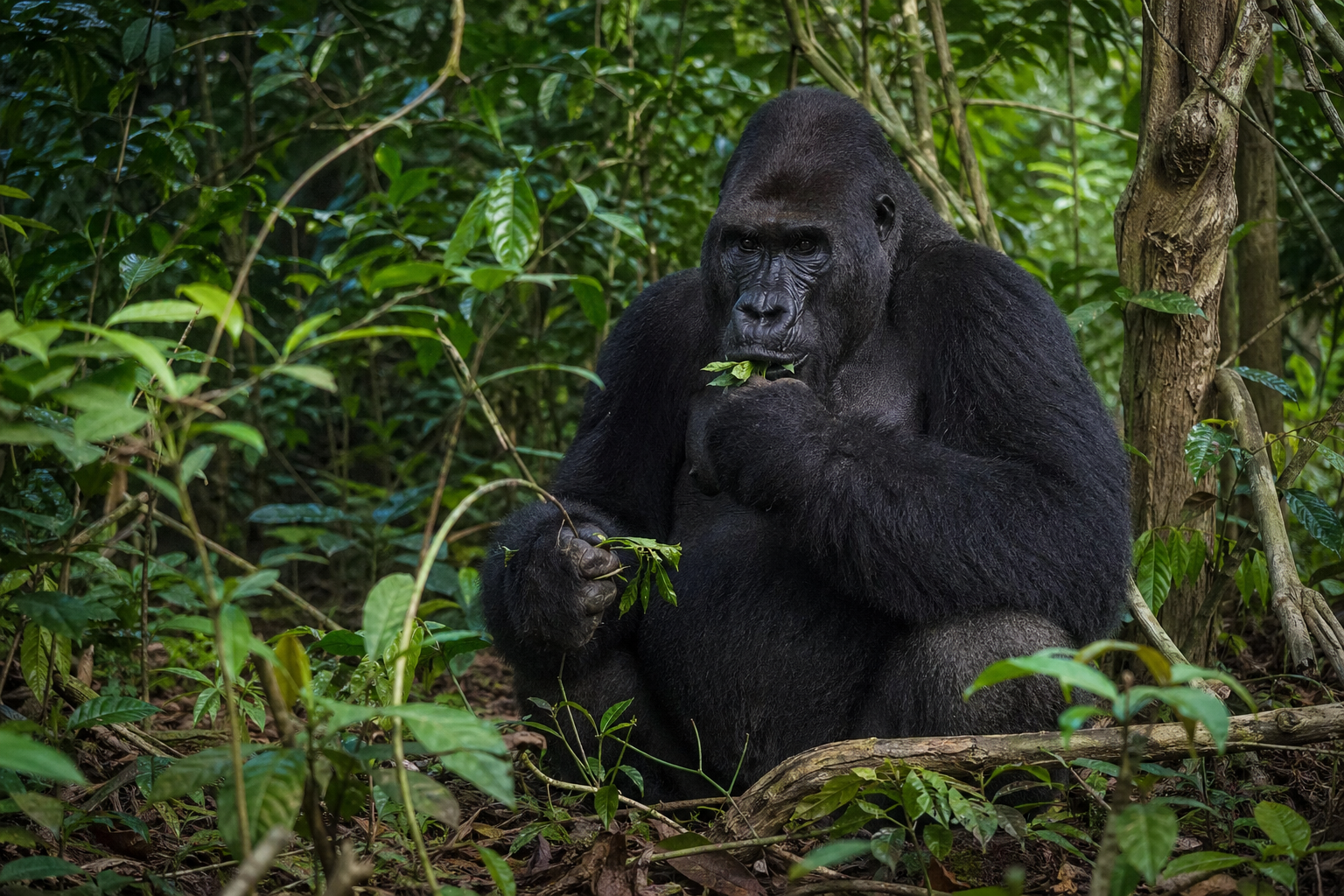
Western Lowland Gorilla
Gorilla gorilla gorilla
RANGE
West and Central Africa — Cameroon, Central African Republic, Congo, Gabon, Equatorial Guinea. Historically present in the dense forests near the Kissi homeland.
THREAT
Habitat destruction from logging and agriculture, poaching for bushmeat, and the Ebola virus have devastated populations. An estimated 360,000 remain, but numbers continue to decline.
CONSERVATION
Protected under CITES Appendix I. Conservation efforts include anti-poaching patrols, habitat corridors, community-based forest management, and ecotourism programs that provide alternative livelihoods to local populations.
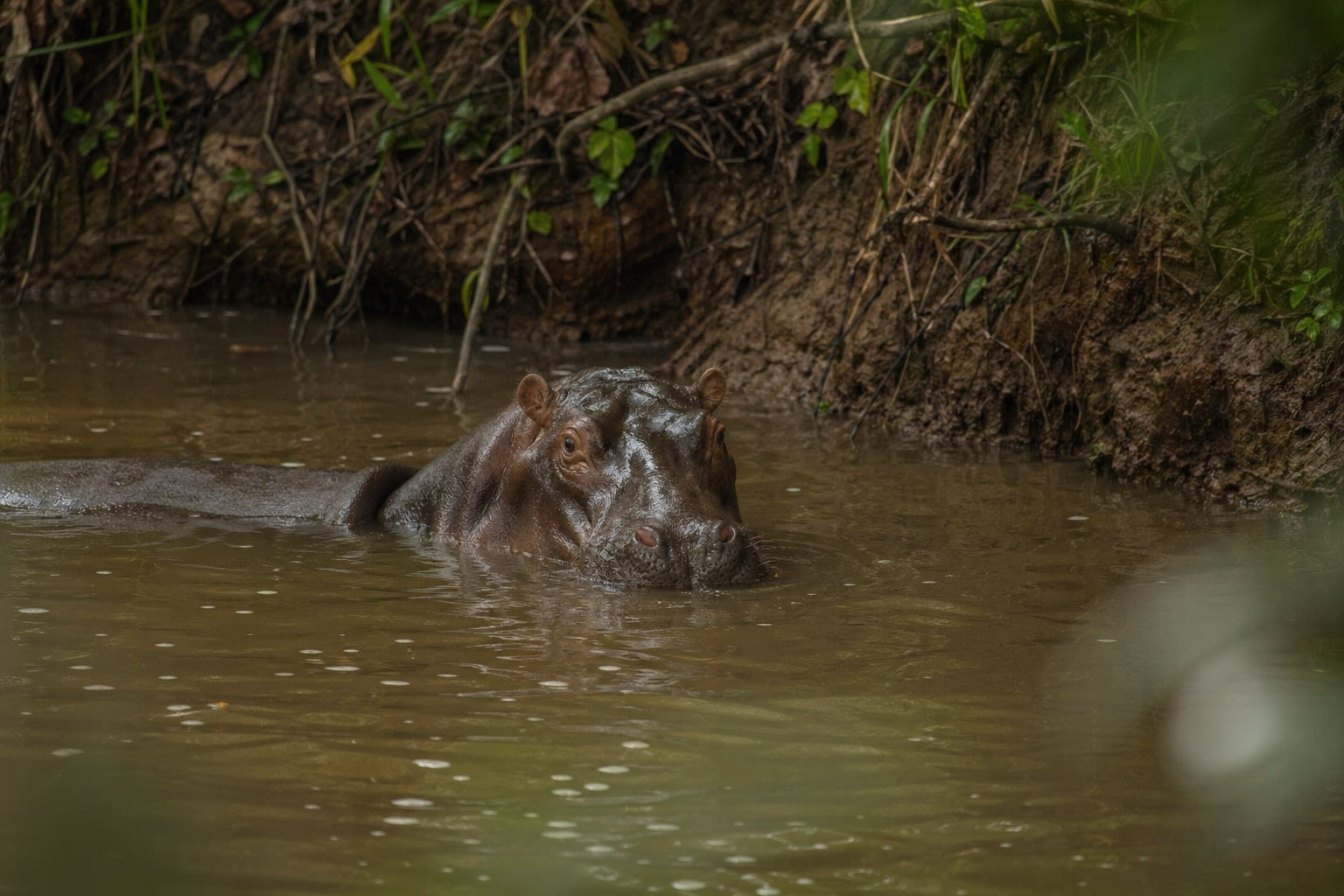
Pygmy Hippopotamus
Choeropsis liberiensis
RANGE
Liberia, Sierra Leone, Guinea, Ivory Coast. The Liberian population is the largest remaining. Found in the swamps and rivers of the Upper Guinea forests.
THREAT
Deforestation, hunting, and civil conflict have reduced populations to an estimated 2,000–3,000 individuals in the wild. Liberia holds the majority of remaining habitat.
CONSERVATION
Sapo National Park in Liberia is the primary refuge. Conservation programs focus on habitat protection, anti-poaching enforcement, and community education. The Liberian government designates the pygmy hippo as a national treasure.
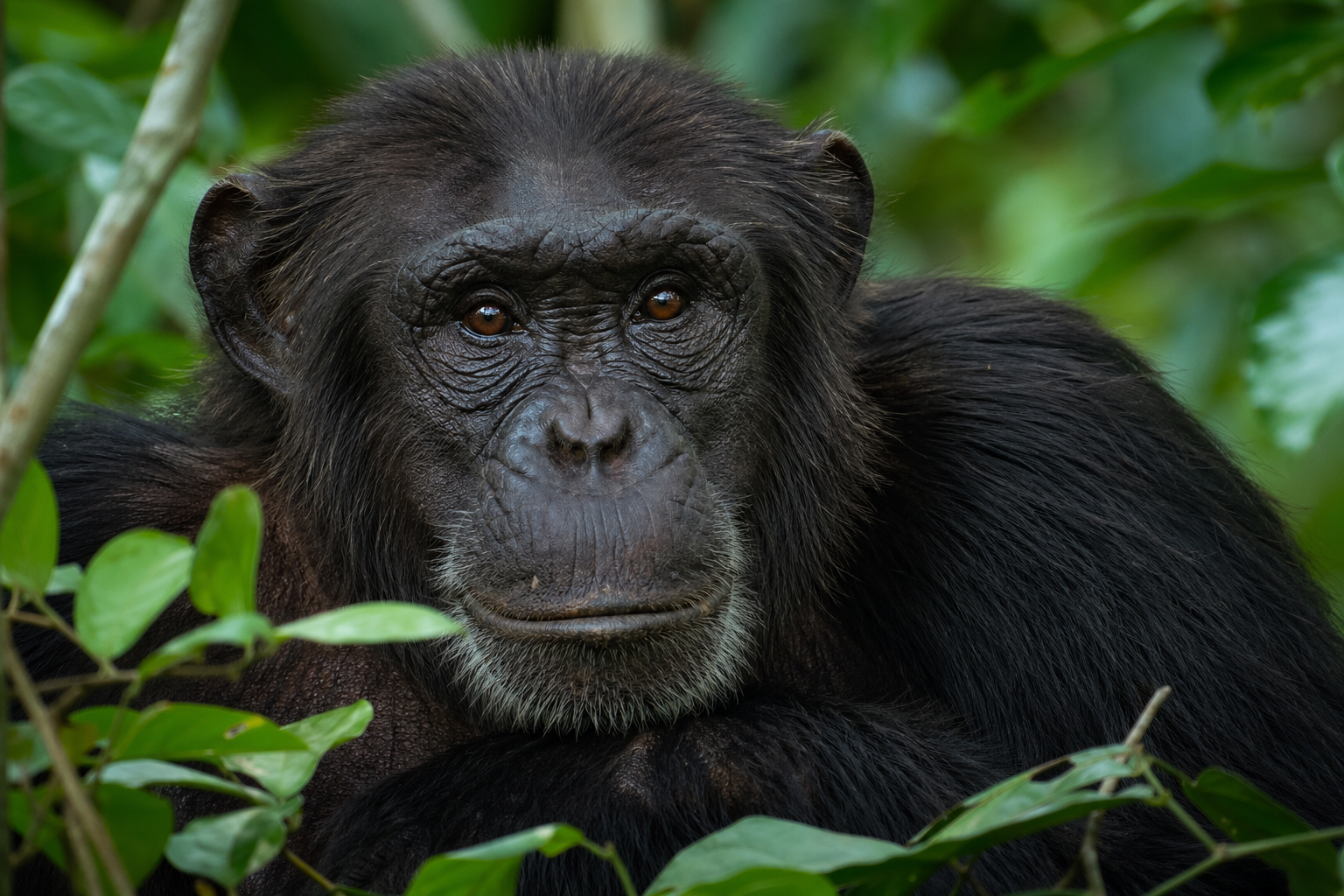
West African Chimpanzee
Pan troglodytes verus
RANGE
Guinea, Sierra Leone, Liberia, Ivory Coast, Ghana, Senegal, Mali. The Kissi forest region in Guinea and Sierra Leone is part of their remaining range.
THREAT
Habitat loss from mining, logging, and agricultural expansion. Hunting and the illegal pet trade also contribute. Fewer than 50,000 remain across West Africa.
CONSERVATION
Protected in national parks and forest reserves. Community-based conservation programs in Guinea and Sierra Leone work with local populations to create buffer zones and sustainable forestry practices.
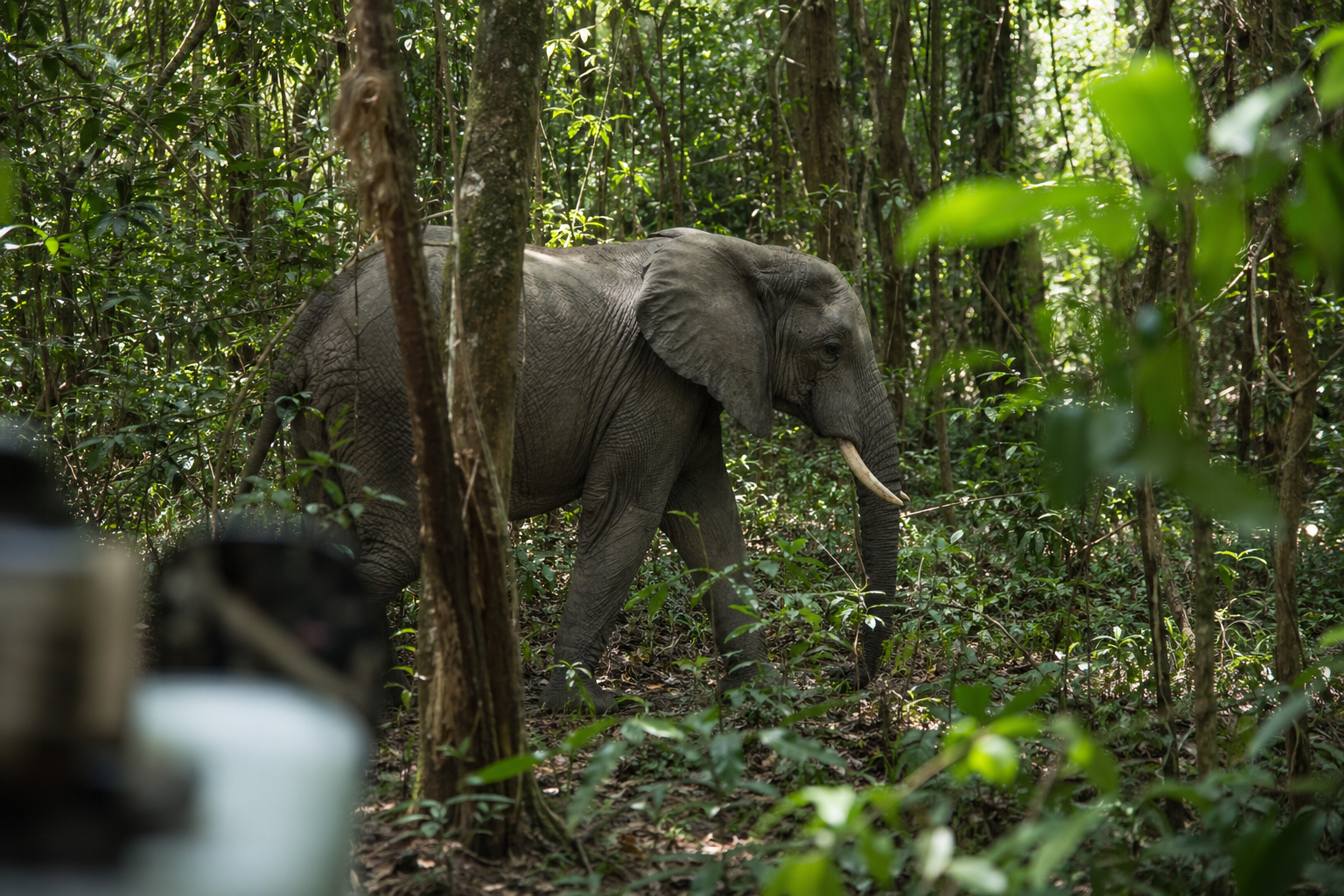
African Forest Elephant
Loxodonta cyclotis
RANGE
Central and West Africa — including the Upper Guinea forests of Liberia, Sierra Leone, Guinea, and Ivory Coast.
THREAT
Ivory poaching and habitat fragmentation have caused a population decline of more than 60% over the past 30 years. An estimated 100,000 remain across the continent.
CONSERVATION
Protected under CITES. Conservation strategies include anti-poaching units, elephant corridor projects connecting fragmented habitats, and demand-reduction campaigns targeting the ivory trade.
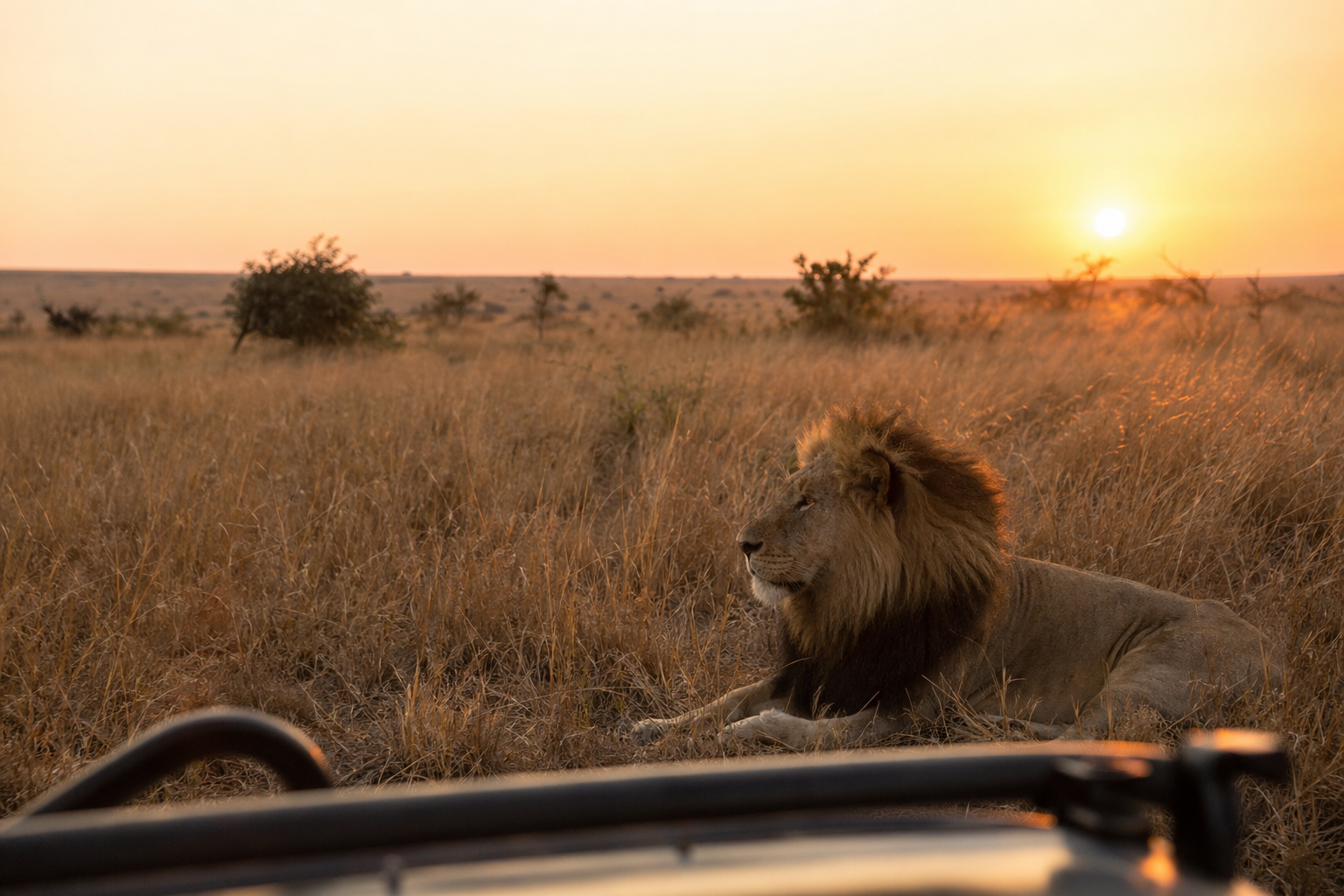
West African Lion
Panthera leo leo (West African population)
RANGE
Fragmented populations in West and Central Africa — Senegal, Nigeria, Cameroon, Central African Republic. Historically present across the West African savanna.
THREAT
Habitat loss, human-wildlife conflict, and prey depletion. Fewer than 400 West African lions remain in the wild, making this the most endangered lion population on Earth.
CONSERVATION
The WAP Complex (spanning Benin, Burkina Faso, and Niger) and Niokolo-Koba National Park in Senegal are key refuges. Trans-boundary conservation programs and community conflict-mitigation efforts are underway.
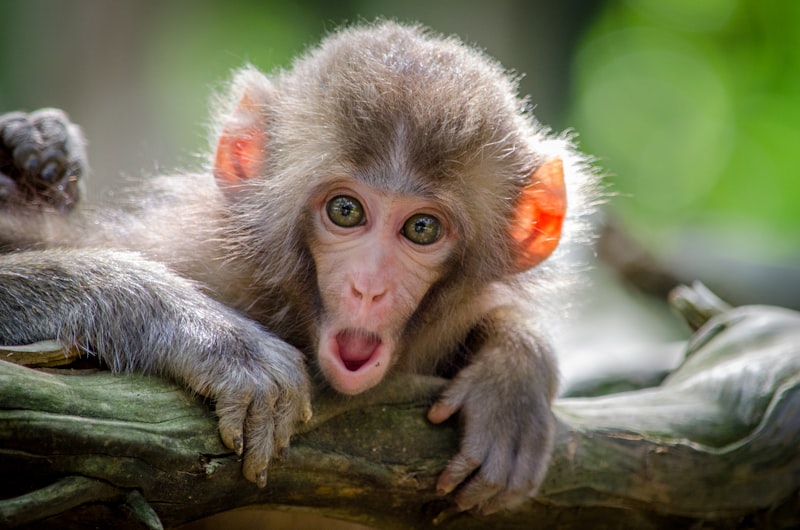
Western Red Colobus
Piliocolobus badius
RANGE
Senegal to Ghana, including the forests of Guinea, Sierra Leone, and western Liberia — within the Kissi ancestral range.
THREAT
Deforestation for agriculture and logging. These primates are also hunted for bushmeat. They are highly sensitive to habitat disturbance and cannot survive in fragmented forests.
CONSERVATION
Protected in Taï National Park (Ivory Coast) and Gola Rainforest (Sierra Leone/Liberia). Community forestry programs help preserve canopy corridors essential for their survival.
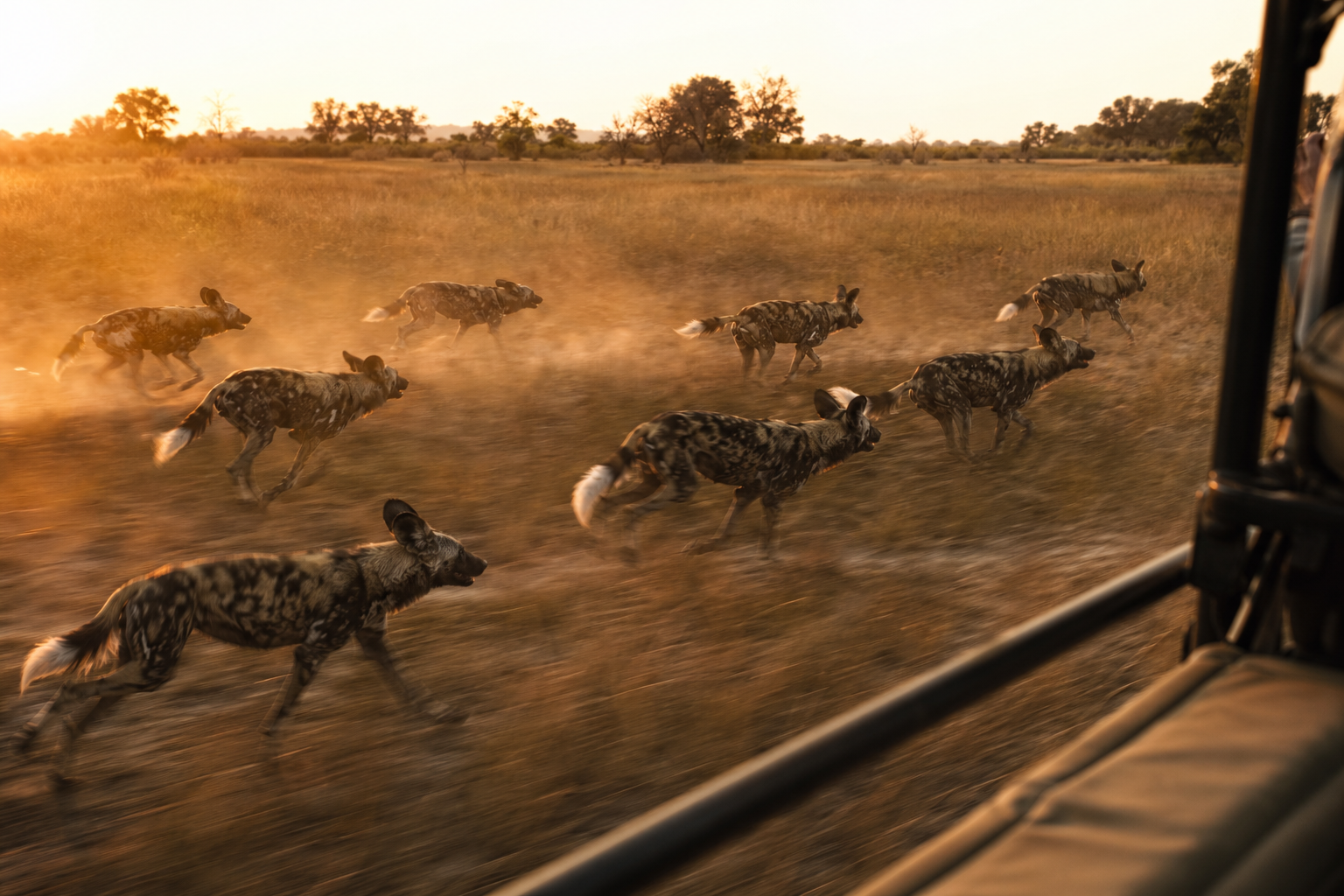
African Wild Dog
Lycaon pictus
RANGE
Sub-Saharan Africa. Historically found across West Africa, now functionally extinct in most of the region. Small populations may persist in Senegal and possibly Guinea.
THREAT
Habitat fragmentation, conflict with livestock farmers, snaring, and disease (canine distemper, rabies). Fewer than 6,600 remain continent-wide, with most in southern and eastern Africa.
CONSERVATION
Reintroduction programs, wildlife corridors, and community compensation schemes for livestock losses. The Painted Dog Conservation project and similar initiatives work to rebuild populations.
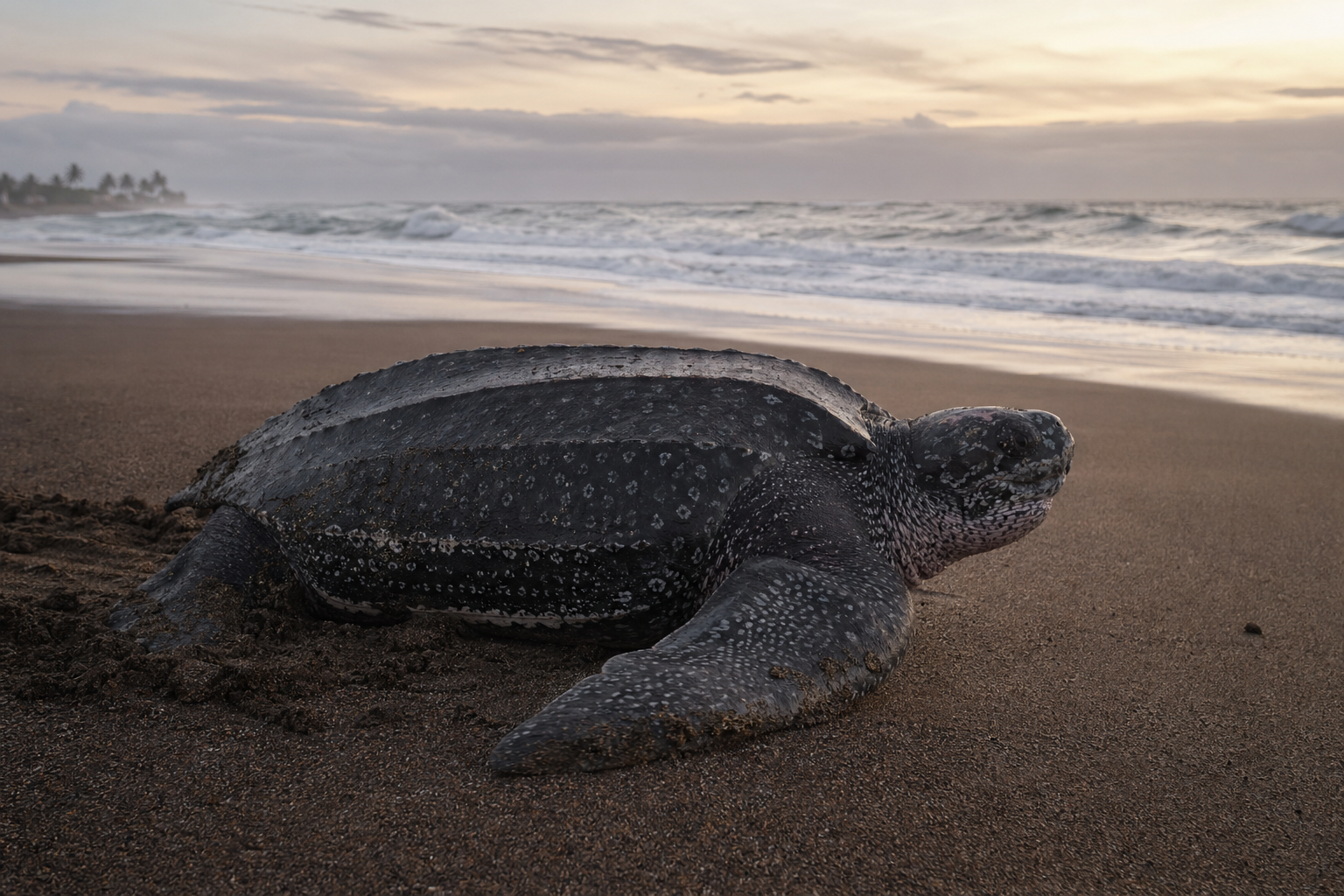
Leatherback Sea Turtle
Dermochelys coriacea
RANGE
Nests on beaches along the Liberian and Sierra Leonean coasts. The Atlantic population migrates through West African waters.
THREAT
Bycatch in fishing nets, egg harvesting, coastal development destroying nesting beaches, and plastic pollution. Atlantic populations have declined significantly over the past century.
CONSERVATION
Beach protection programs, community nest monitoring, and fishing gear modifications (turtle excluder devices). Liberian coastal communities participate in seasonal nesting beach patrols.
3D Printing for Education and Conservation
The Royal Kissi Kingdom is exploring a pioneering initiative to use 3D printing technology to create lifelike, scaled replicas of endangered species for educational purposes. These replicas would be used in schools, museums, and community centers across the Kissi homeland and beyond.
The vision includes the establishment of child-friendly conservation exhibits — combining 3D-printed animal models with interactive displays about each species, its habitat, the threats it faces, and what communities can do to help. The goal is to inspire the next generation of conservationists by bringing these magnificent animals to life in a way that is tangible, accessible, and deeply educational.
By partnering with universities, conservation organizations, and technology firms, the Kingdom aims to create a model that can be replicated across West Africa — turning every school and community center into a gateway to the natural world.