
Royal Foreign Government
Cuisine & Indigenous Fruit
The foods, fruits, and culinary traditions of the Kissi people and Mother Liberia — a heritage of flavor, nourishment, and communal life.
The cuisine of the Kissi people and of Liberia reflects the bounty of the West African forest, the ingenuity of generations, and the central role of food in building community. From the sacred kola nut shared at diplomatic councils to the fragrant palm butter soup served at family tables, every dish tells a story.
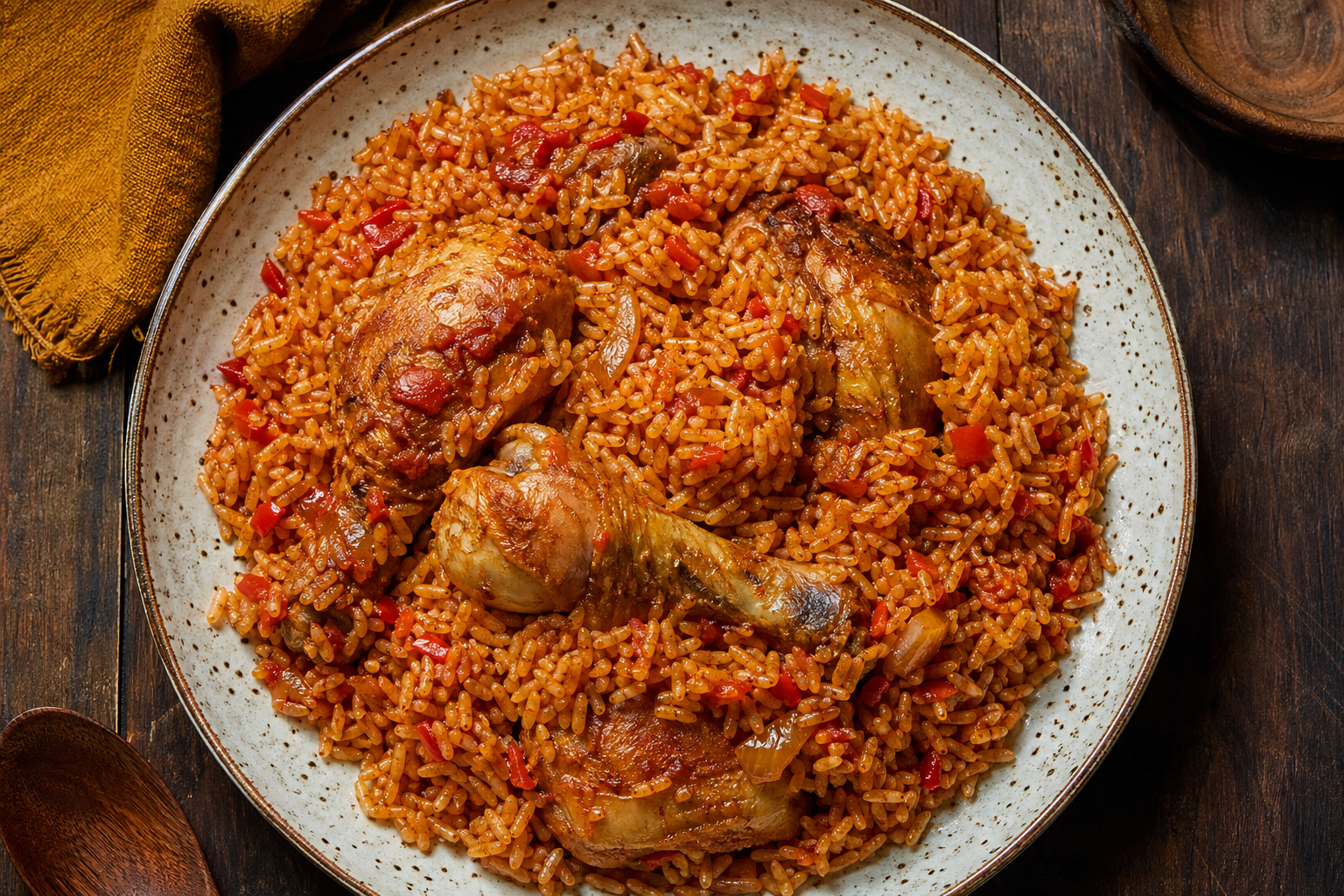
JOLLOF RICE
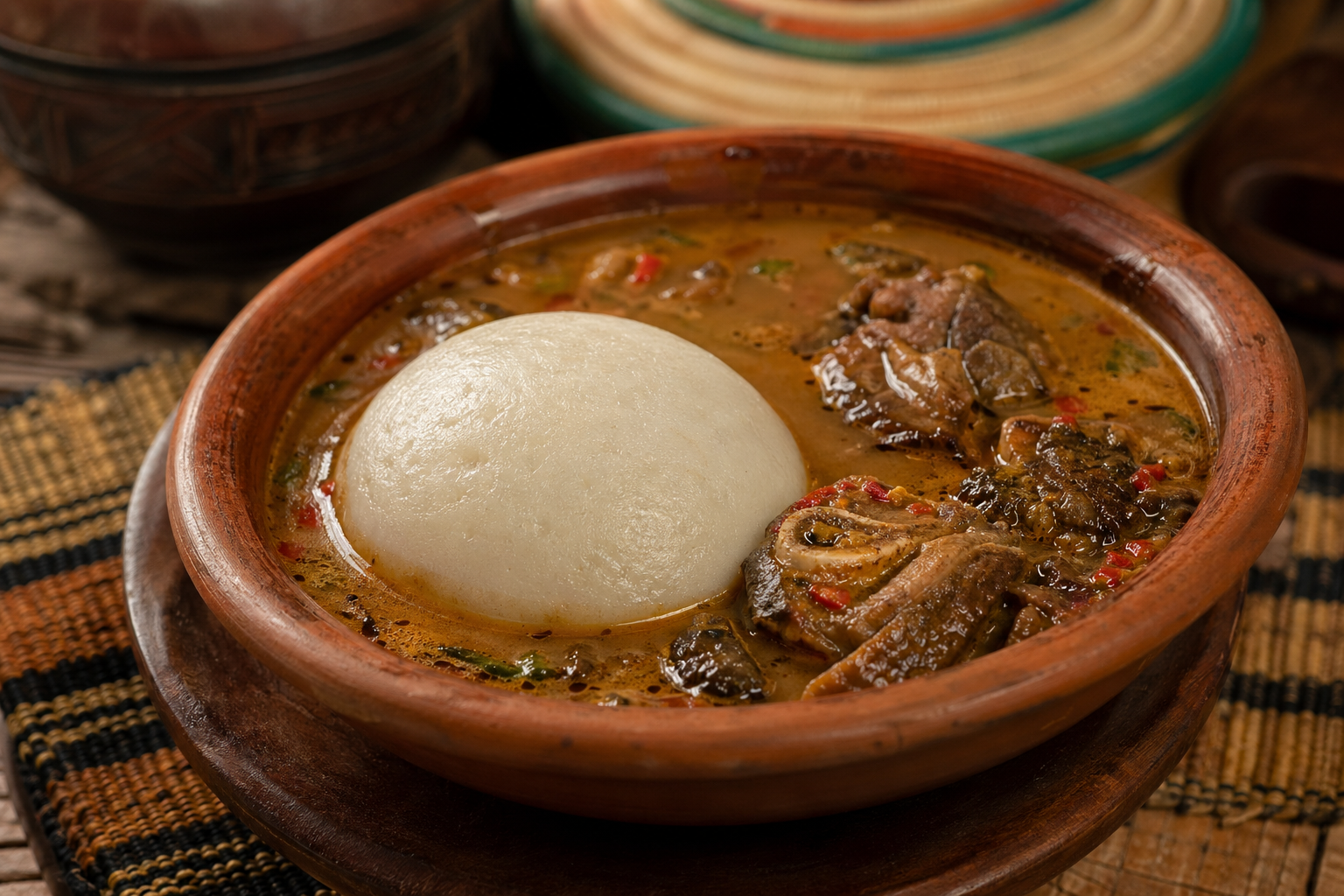
DUMBOY
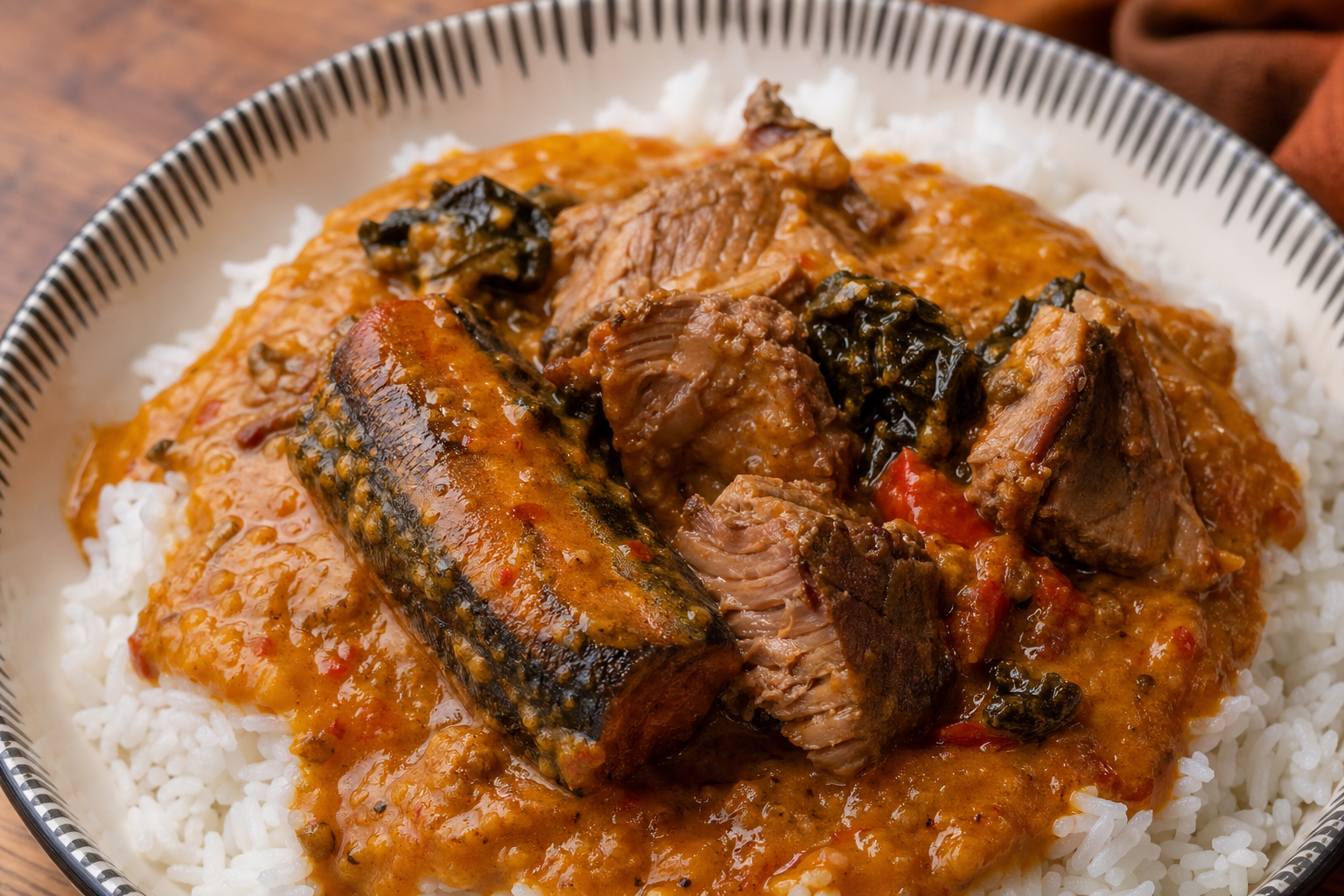
PALM BUTTER SOUP
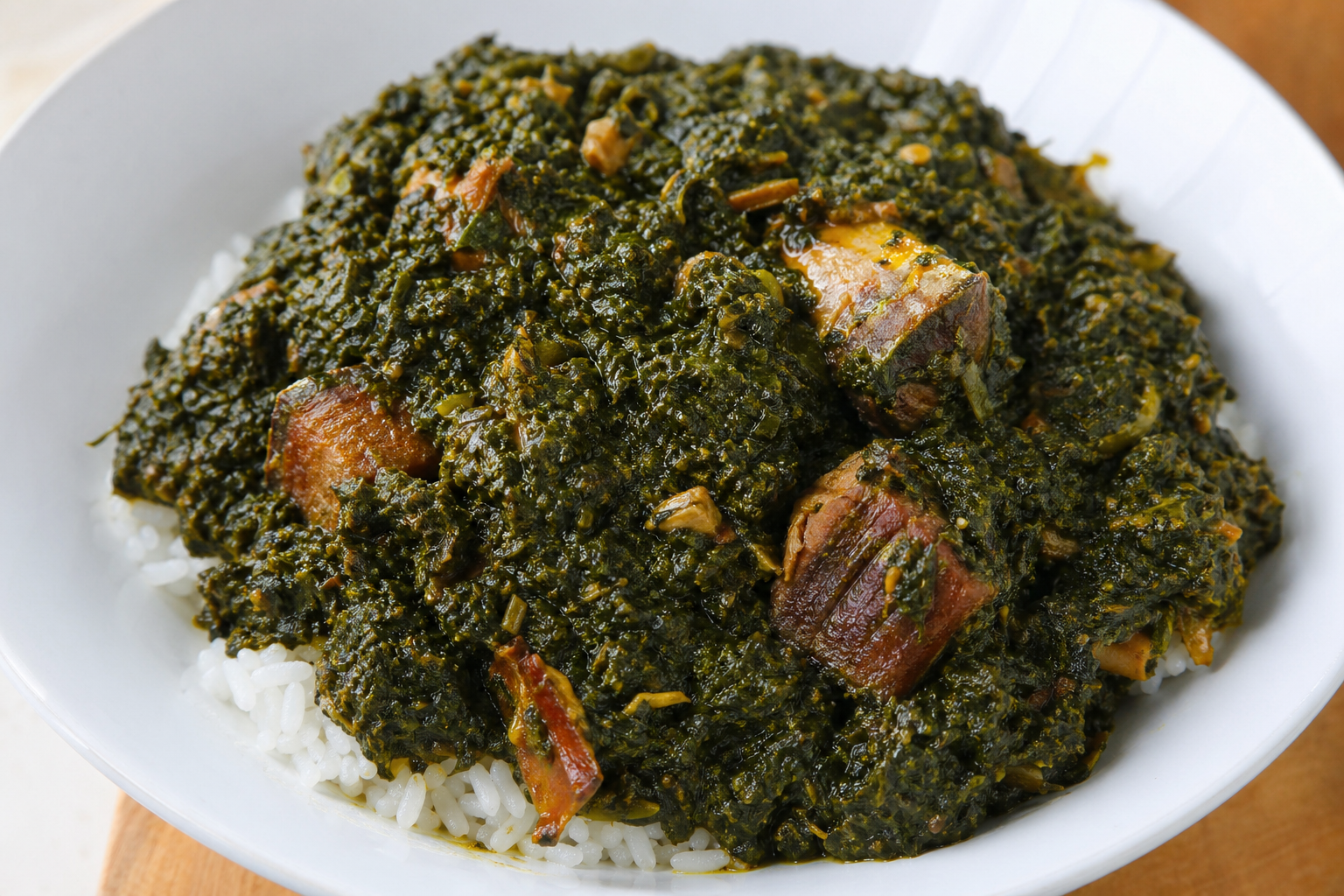
CASSAVA LEAF STEW
Kissi Indigenous Fruit
Fruits native to the Kissi homeland — harvested from the forest, traded across the region, and woven into daily life.
| Fruit | Local Name | Significance |
|---|---|---|
| Kola Nut | Tola | Sacred to the Kissi and used in ceremonies, trade, and diplomacy for centuries. The kola nut is offered as a symbol of welcome, peace, and respect. It also served as a trade currency alongside the Kissi Penny. Contains natural caffeine and has been used medicinally across West Africa. |
| Oil Palm Fruit | Tokpoi | The oil palm is central to Kissi life. Palm oil is the foundation of Kissi cooking — used in soups, stews, and sauces. Palm wine, tapped from the tree, is served at celebrations and ceremonies. Palm kernel oil is used for soap, cosmetics, and traditional medicine. |
| Country Plum (African Star Apple) | Tondo | A prized forest fruit with sweet, creamy flesh. The Kissi harvest it during the dry season. The seeds yield oil used in cooking and skincare, while the bark and leaves are used in traditional remedies. |
| Bitter Kola | Gbelei | Valued for its medicinal properties in Kissi traditional medicine. Used to treat coughs, infections, and inflammation. Also chewed as a stimulant during long work days and ceremonial events. |
| Bush Mango (Ogbono) | Weni | The Kissi harvest wild mango from the forest. The seeds are dried, ground, and used to thicken soups — producing the rich, glutinous texture characteristic of Kissi cuisine. The fruit flesh is eaten fresh. |
| Baobab Fruit | N/A (traded) | While the baobab grows primarily in the savanna regions north of the Kissi forest, its fruit has been traded into Kissi markets for centuries. The powdery pulp is rich in vitamin C and is mixed into drinks and porridges. |
SOURSOP
PAPAYA
Liberian Fruit
The broader fruits of Mother Liberia — cultivated, harvested, and loved across all fifteen counties.
LIBERIAN COFFEE (COFFEA LIBERICA)
One of the three major commercial coffee species, native to Liberia. Coffea liberica has large beans with a bold, smoky flavor. Liberia was once a major coffee exporter, and efforts are underway to revive the industry.
BREADFRUIT
A starchy, versatile fruit grown across Liberia. Roasted, fried, or boiled, breadfruit is a staple food. It was introduced to West Africa in the 18th century and has become deeply integrated into Liberian cuisine.
PLANTAIN
Ubiquitous in Liberian cooking — fried, roasted, or pounded into fufu. Plantains are grown in every county and are a primary source of carbohydrates.
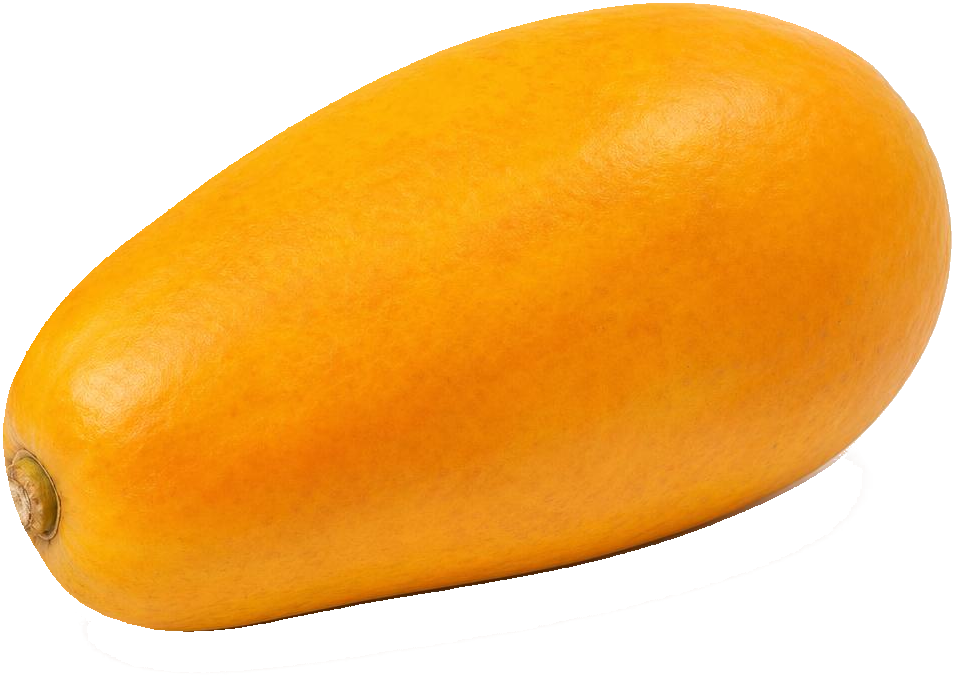
PAWPAW (PAPAYA)
Grown widely across Liberia. Eaten fresh, blended into juices, or used in salads. The leaves are also used in traditional cooking as a meat tenderizer.
PINEAPPLE
Liberian pineapples are exceptionally sweet and grow abundantly in Bong, Nimba, and Lofa counties. Sold fresh in markets across the country.
COCONUT
Grown along the Liberian coast. Coconut water is a popular drink, and coconut oil is used in cooking and hair care. The shell is used for charcoal and crafts.
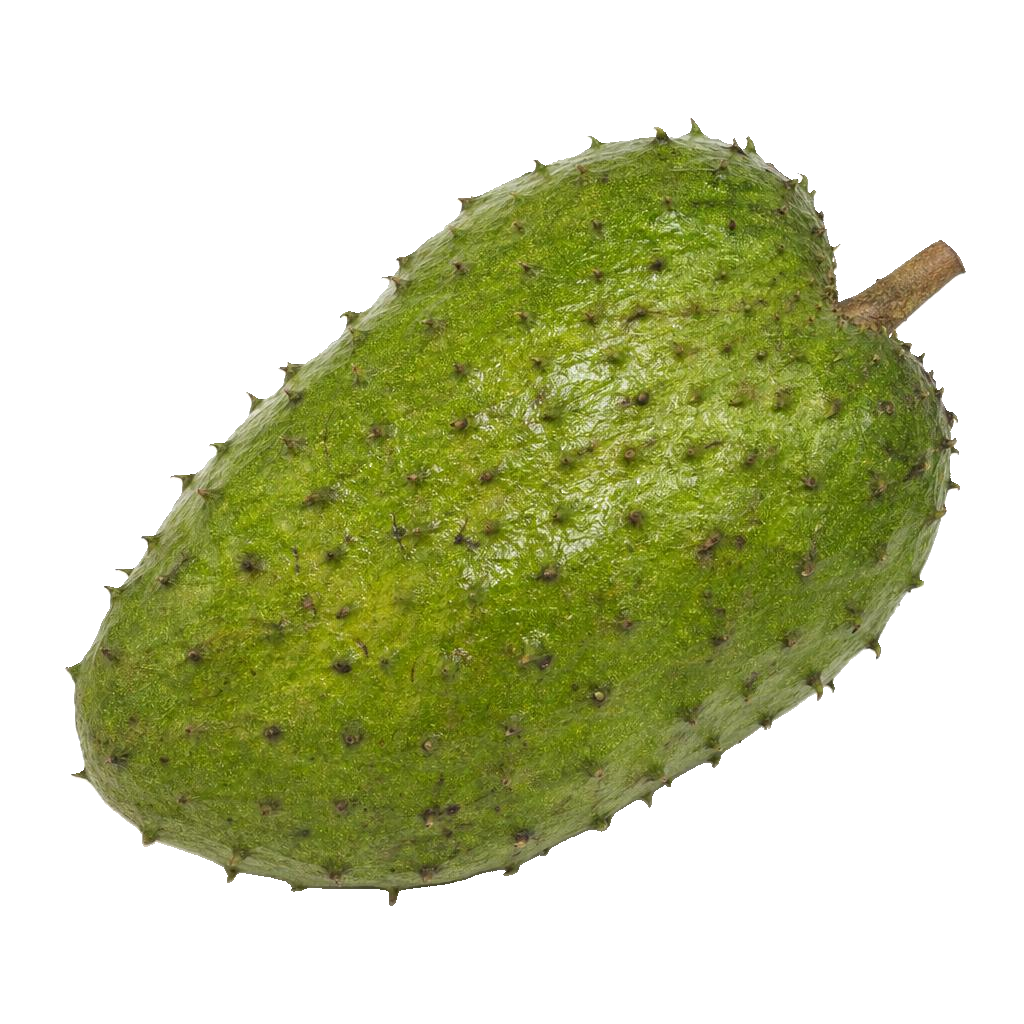
SOURSOP
A large, spiny green fruit with creamy white flesh. Popular for juices and desserts. Used in traditional medicine for its purported anti-inflammatory properties.
BUSH PEPPER
An indigenous spice pepper that grows wild in the Liberian forest. Essential to Liberian seasoning and exported as a specialty spice.
Signature Dishes
The defining dishes of Kissi and Liberian cuisine — flavors passed down through generations.
PALM BUTTER SOUP
The signature dish of Liberia and a cornerstone of Kissi cuisine. Made from fresh palm fruit extract simmered with meat, fish, or crab, flavored with bitter ball, hot peppers, and country spices. Served over rice. Rich, aromatic, and deeply satisfying.
JOLLOF RICE
A West African classic. Liberian jollof is cooked with tomato paste, onions, peppers, and spices — often with chicken, fish, or shrimp. Served at celebrations, gatherings, and everyday meals.
FUFU AND SOUP
Pounded cassava, plantain, or a combination, shaped into smooth, elastic dough and served with pepper soup, palm butter, or groundnut soup. Eaten by hand — a communal dish that brings families together.
CASSAVA LEAF SOUP
Ground cassava leaves slow-cooked with palm oil, meat, dried fish, and peppers. One of the most beloved everyday dishes in Liberia. Deep green, hearty, and packed with iron and nutrients.
CHECK RICE
A one-pot dish combining rice with greens, dried fish, palm oil, and peppers. Economical and flavorful — a staple of Liberian home cooking.
POTATO GREENS SOUP
Sweet potato leaves cooked with palm oil, meat, and fish. Served over rice. One of the most popular everyday meals across Liberia.
TORBORGEE
A fermented fish and meat soup unique to Liberia. An acquired taste prized by connoisseurs — intensely flavored, complex, and traditionally served at important gatherings.
GRAVY (PEPPER SOUP)
A spicy, aromatic broth made with goat, chicken, or fish, flavored with country peppers, ginger, and local herbs. Served as a first course or as a standalone dish with bread or rice.
DUMBOY
Boiled, pounded fermented cassava dough served with pepper soup. A traditional staple of southeastern Liberia and the Kissi region. The fermentation gives it a distinctive tangy flavor.
GROUNDNUT SOUP
Creamy soup made from roasted groundnuts (peanuts) blended with tomatoes, onions, and spices. Served over rice or with fufu. Rich in protein and deeply comforting.
“To share food is to share life. At the Kissi table, no one is a stranger.”