Royal Foreign Government
Fashion & Heritage
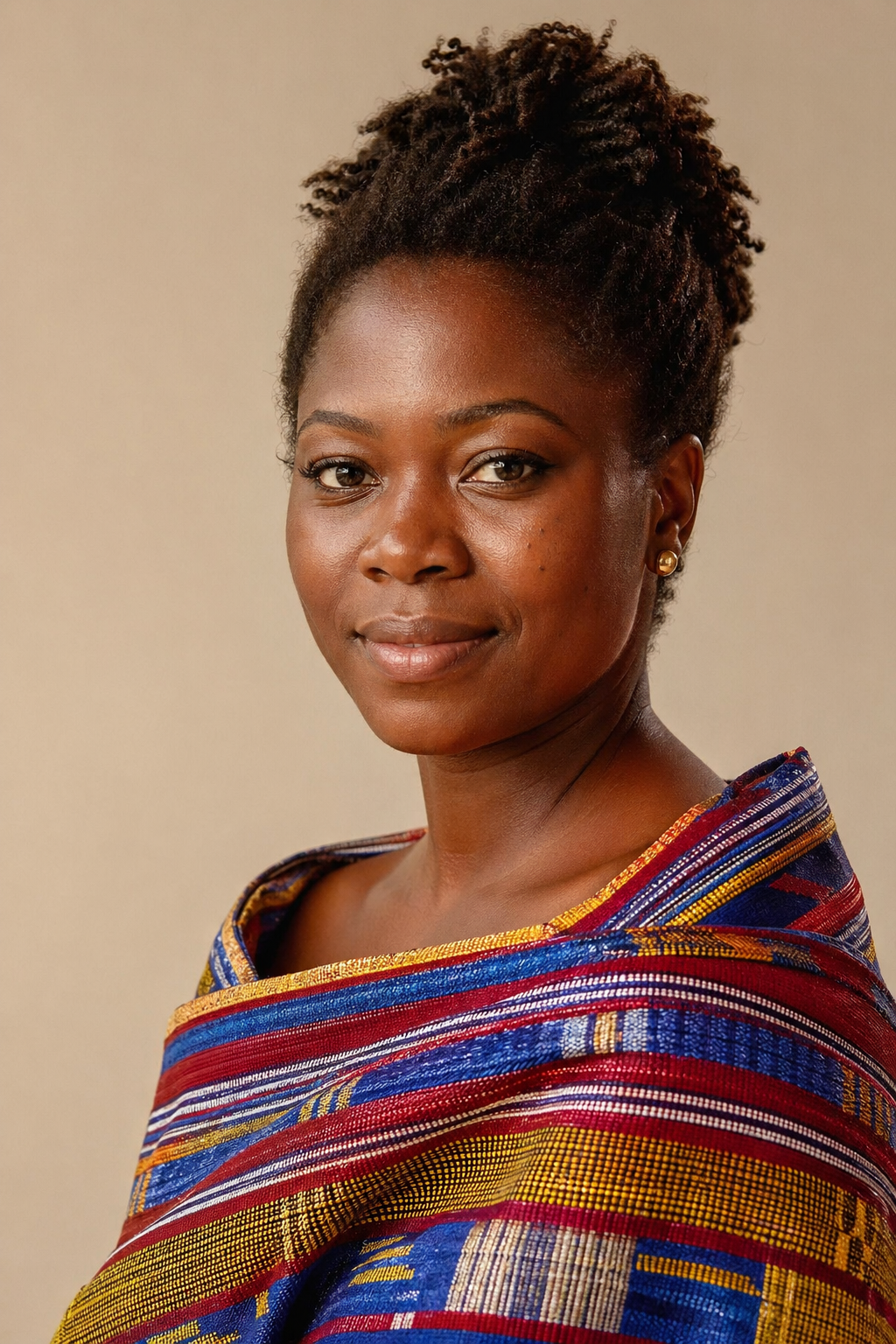
African textiles are not mere fabrics — they are living documents of culture, identity, and artistry stretching back millennia.
From the handwoven country cloth of the Kissi to the bold Ankara prints of Lagos, from the intricate beadwork of the Maasai to the sacred ceremonial robes of Kissi chiefs — African fashion represents thousands of years of innovation, identity, and art. The Kissi people, renowned as master weavers and dyers, produced textiles that served not only as clothing but as currency, diplomatic gifts, and markers of social standing.
Country Cloth (Kissi)
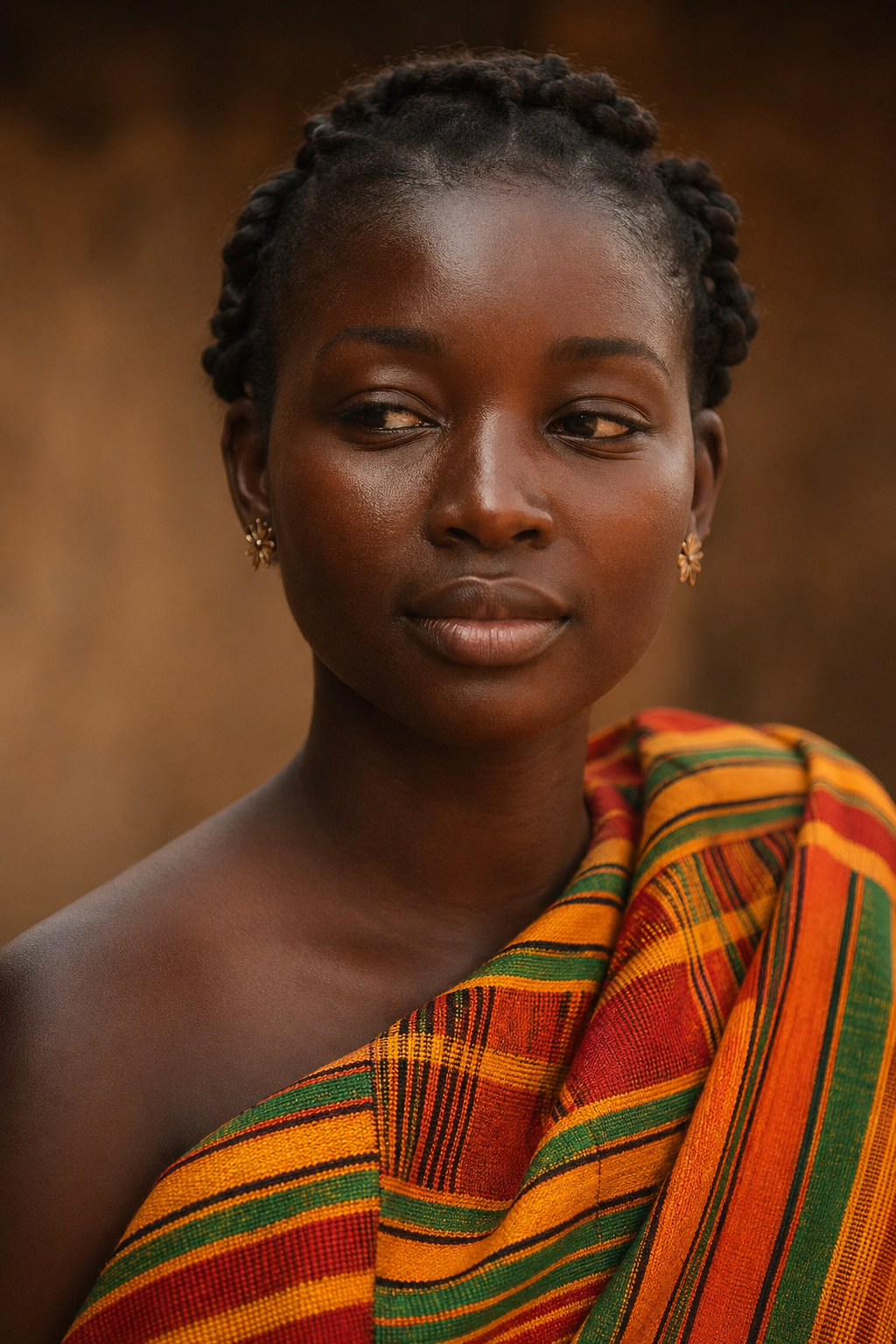
The most sacred textile of the Kissi people. Country cloth is handwoven on vertical looms from locally grown cotton, spun by hand, and dyed with natural pigments extracted from the forest: indigo from leaves, ochre from riverbed clay, deep browns from tree bark, and blacks from iron-rich mud. Each pattern carries meaning — different designs mark ceremonies, celebrations, mourning, and the passage from childhood to adulthood. The weaving tradition is passed from mother to daughter and from master to apprentice, preserving a craft that is thousands of years old.
Kissi Ceremonial Robes
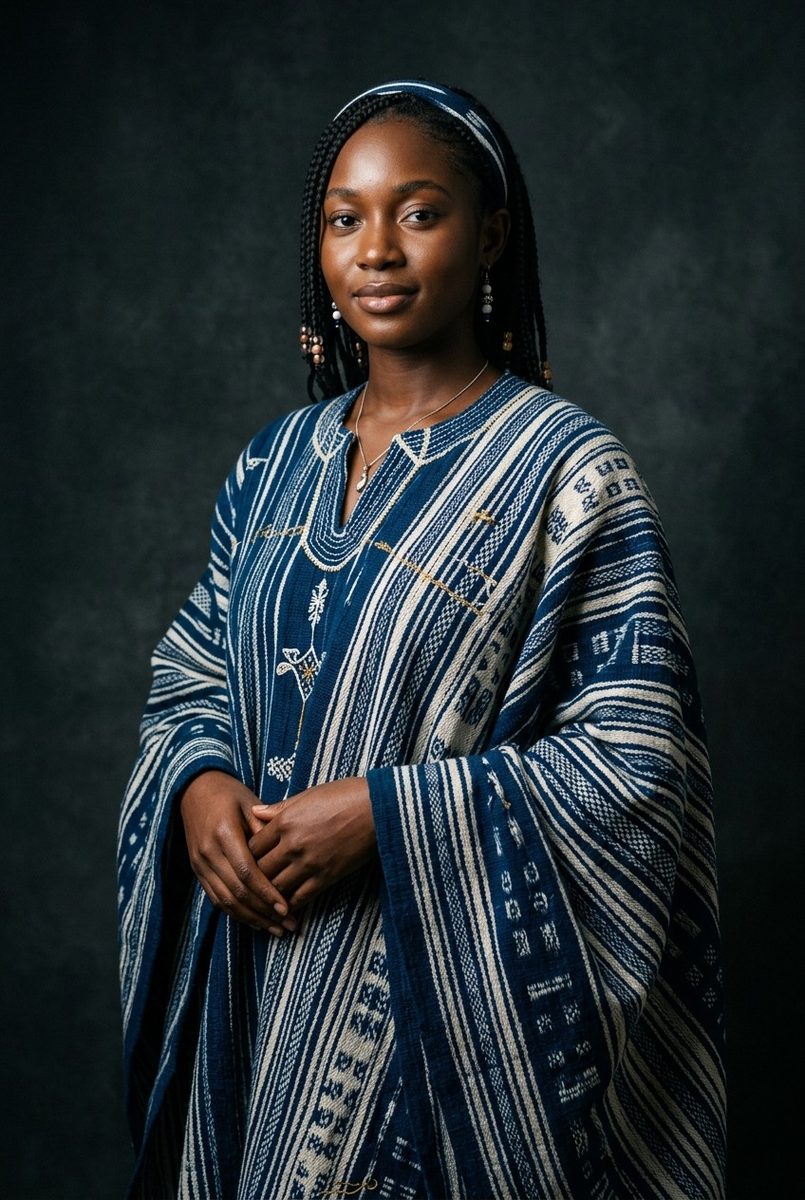
Distinct from everyday country cloth, Kissi ceremonial robes are reserved for coronations, initiations, diplomatic councils, and sacred rites. Constructed from the finest handspun cotton, dyed in deep indigo and natural white, and often decorated with symbolic embroidery. The robes of chiefs and elders incorporate specific patterns denoting rank, lineage, and spiritual authority.
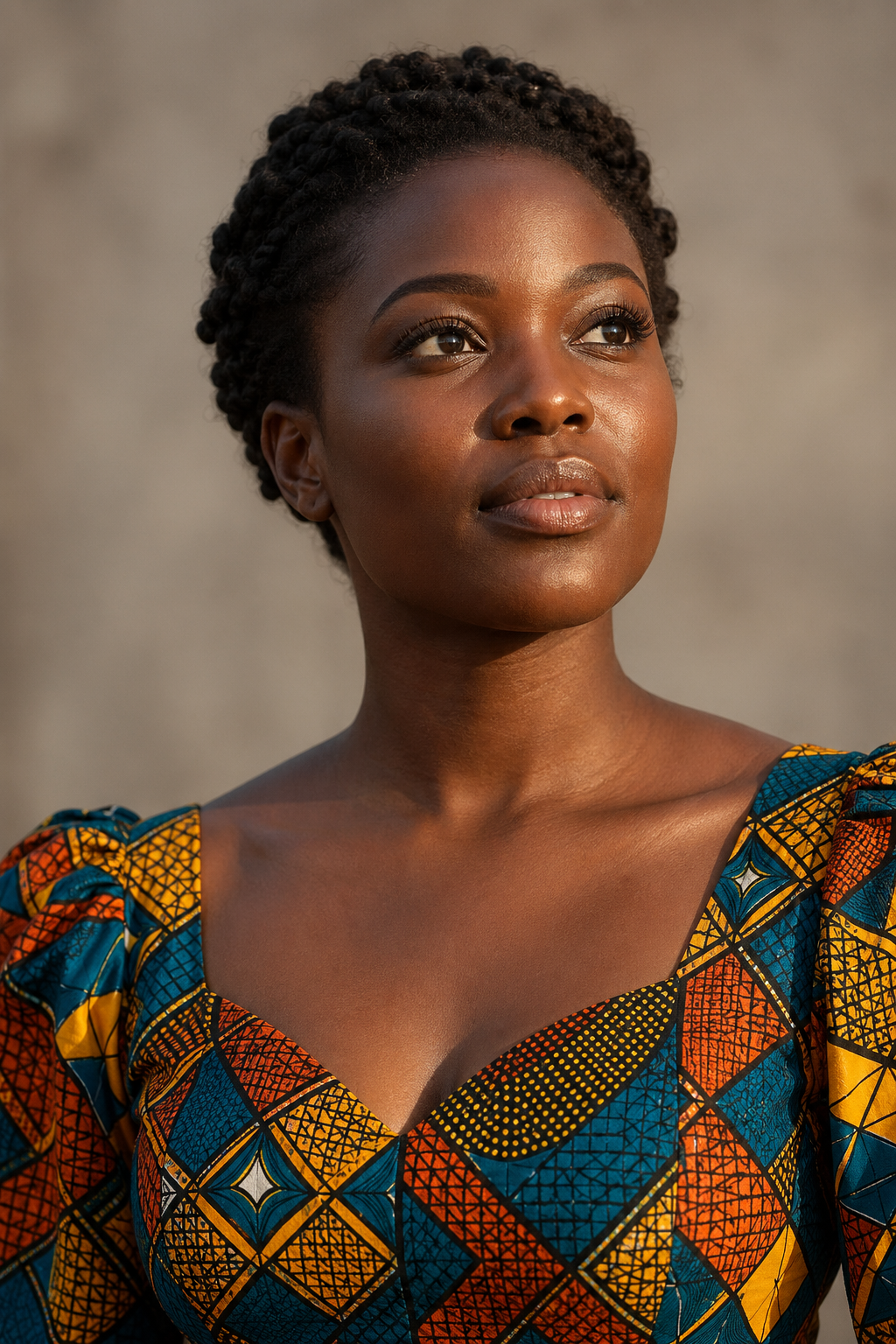
Ankara (African Wax Print)
Bold, vibrant cotton fabric printed with colorful wax patterns. Though inspired by Indonesian batik, Ankara has become quintessentially African over the past century. Every market in West Africa overflows with these fabrics — used for everyday dress, formal occasions, head wraps, and home decor. In Liberia, Ankara is worn at weddings, church services, and national celebrations. Modern African designers have taken Ankara to international fashion runways.
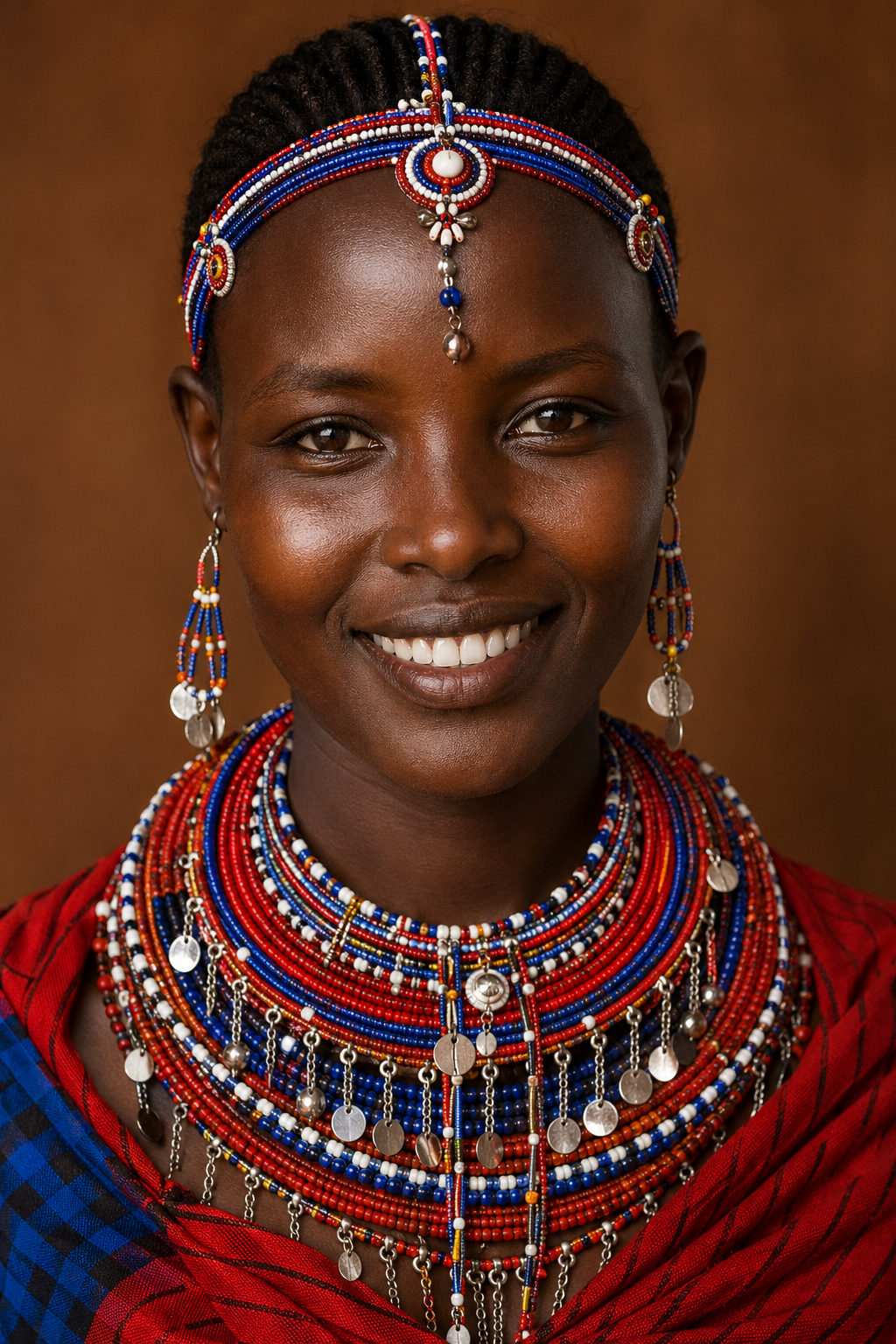
Maasai Beadwork
Maasai beadwork is one of the most recognizable art forms on the continent. Using tiny glass beads in bold primary colors — especially red, blue, and white — Maasai women create elaborate necklaces, bracelets, earrings, and headdresses that communicate social status, age, marital status, and warrior achievements. Each color carries specific meaning: red for bravery, blue for the sky and water, white for purity, green for the land.
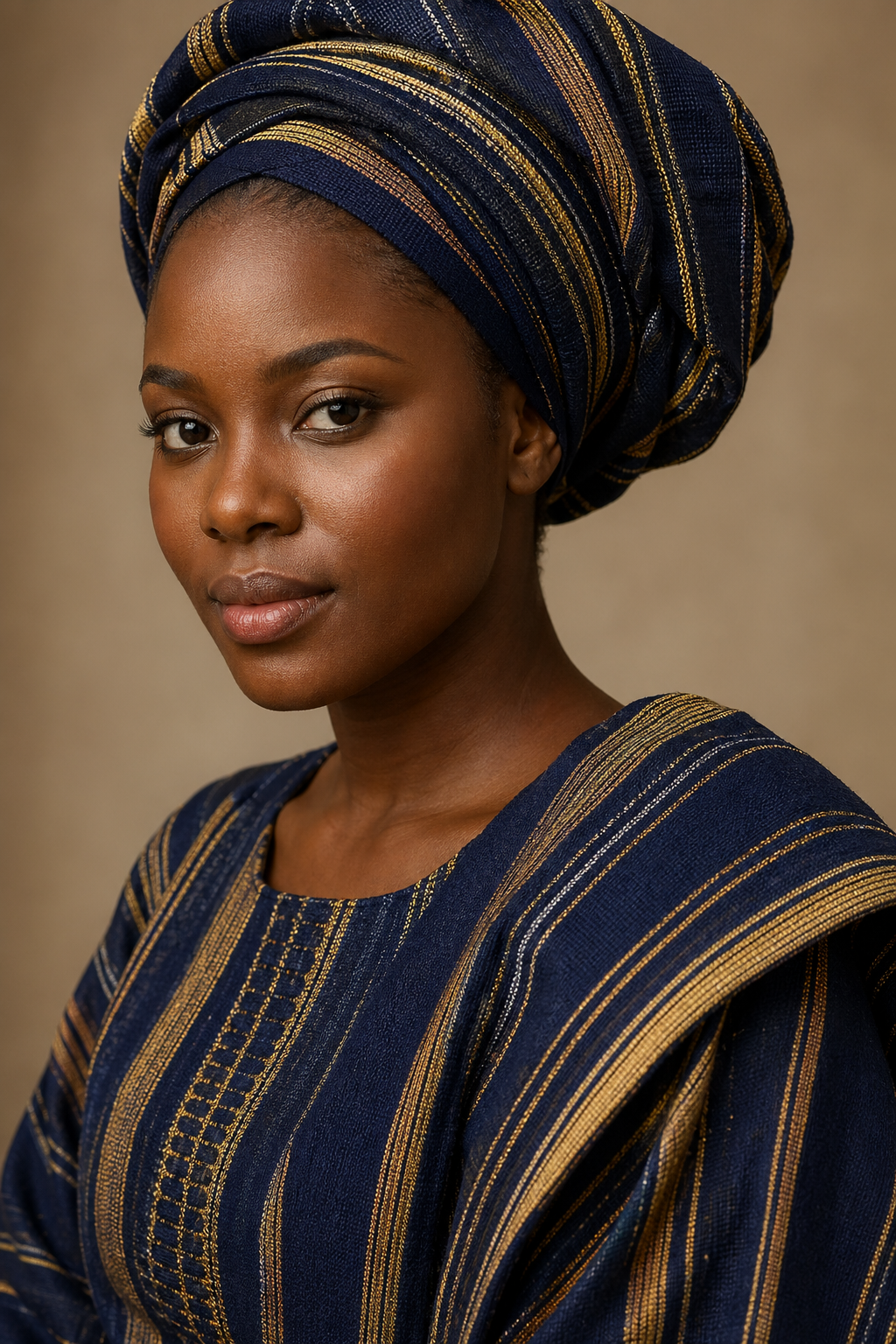
Aso Oke
A prestige hand-loomed cloth woven by the Yoruba people. Aso Oke comes in three traditional varieties: etu (dark blue), sanyan (light brown), and alaari (crimson). Worn at weddings, chieftaincy coronations, and major celebrations. The fabric represents wealth, status, and cultural pride.
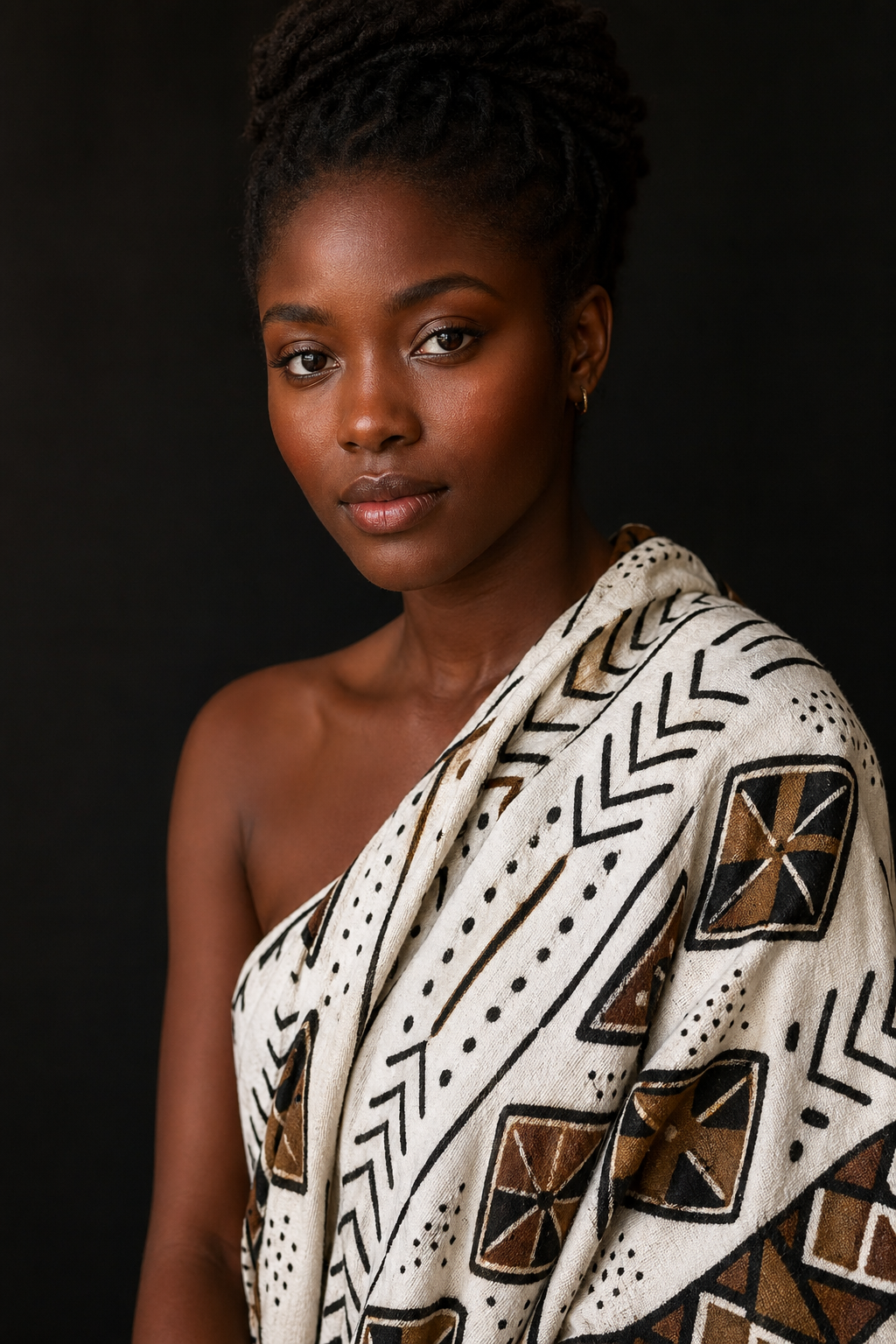
Bogolan (Mudcloth)
One of the oldest textile traditions in Africa. Handwoven cotton cloth dyed using fermented mud — creating distinctive geometric patterns in earthy browns, blacks, and whites. Each pattern tells a story or marks a life event. Bogolan has influenced international fashion designers and is recognized by UNESCO as part of Mali's intangible cultural heritage.
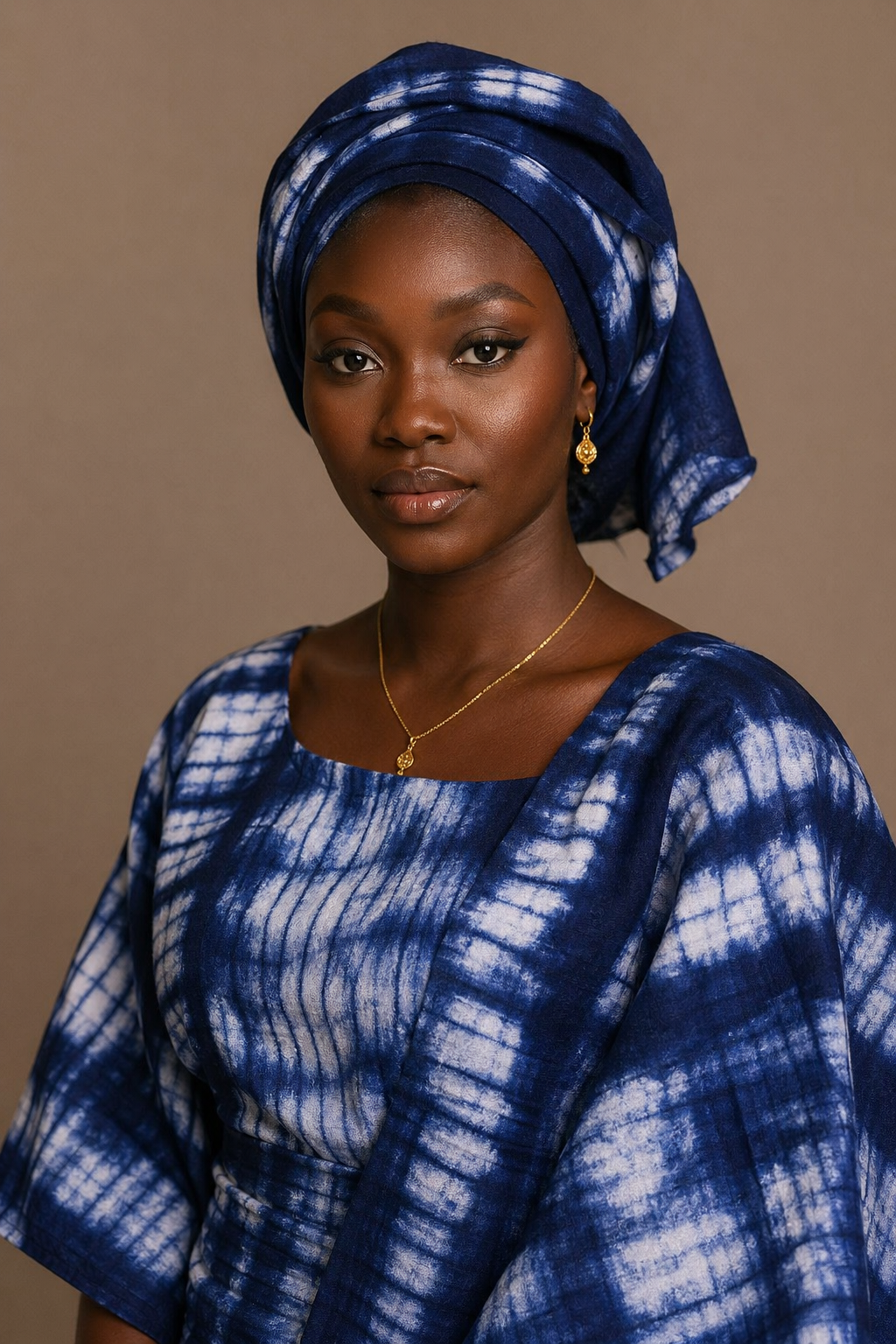
Adire
An indigo-dyed cloth made using resist-dyeing techniques — either by tying, stitching, or stenciling patterns before dipping in indigo dye. The result is stunning blue-and-white patterns. Adire experienced a dramatic revival in the 21st century, appearing on international fashion runways and in contemporary African art.
Liberian Lappa
The lappa is a large rectangular cloth worn as a wrapped garment — around the waist, over the shoulder, or as a headwrap. Made from various fabrics including wax prints and country cloth, the lappa is the foundational garment of Liberian women's fashion. It is both practical and elegant, tied in hundreds of different styles for different occasions.