Royal Foreign Government
Historical Achievements
The Kissi people are not only survivors of history — they are creators. A legacy of innovation that deserves to be known by the world.
The Kissi Penny
“The Money With a Soul”
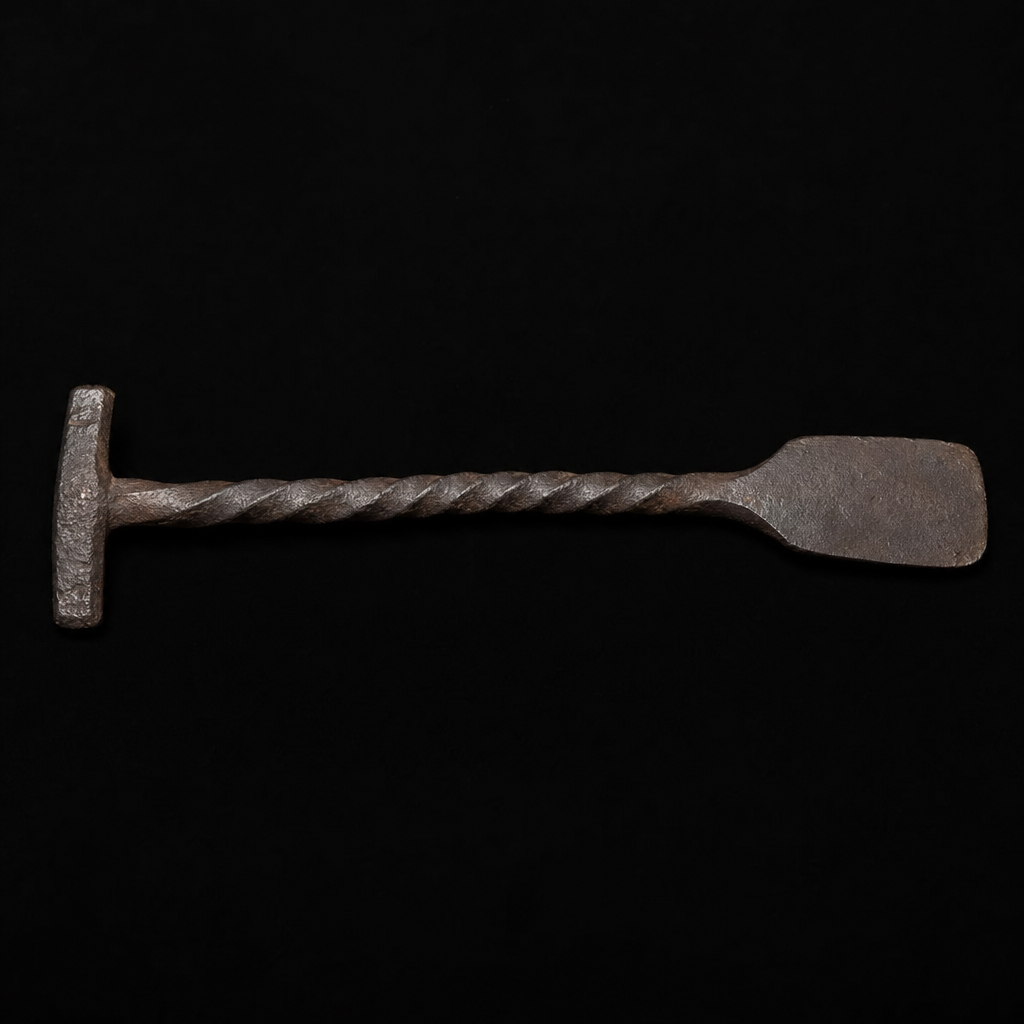
The Kissi Penny is perhaps the most remarkable currency in the history of money. Known also as guenze, koli, kilindi, or chilin, the Kissi Penny was an iron currency produced by Kissi blacksmiths beginning around 1880 and circulating widely throughout West and Central Africa until the 1980s.
Each Kissi Penny was a long, twisted iron rod, ranging from 6 to 16 inches in length. On one end was a flat, T-shaped protrusion called the nling — the “ear.” On the other end was a flattened blade called the kodo — the “foot.”
“The Money With a Soul”
The Kissi people believed that each penny carried a soul. If broken, it immediately lost its value — not because the metal was damaged, but because its soul had departed. Only a Zoe (traditional shaman) could restore it through a special ceremony. This concept is unique in the entire history of world currencies.
USAGE
A single Kissi Penny had modest purchasing power. For larger transactions, the pennies were bundled: typically 20 pennies twisted together. A cow cost approximately 100 bundles.
COLLECTIONS
Today, Kissi Pennies are prized by collectors and museums worldwide, including the British Museum, Denver Museum of Nature and Science, and the Museum of Anthropology at UBC.
The Kissi Country Cloth
While other ethnic groups relied on animal skins for clothing before the arrival of European textiles, the Kissi people independently developed their own textile tradition.
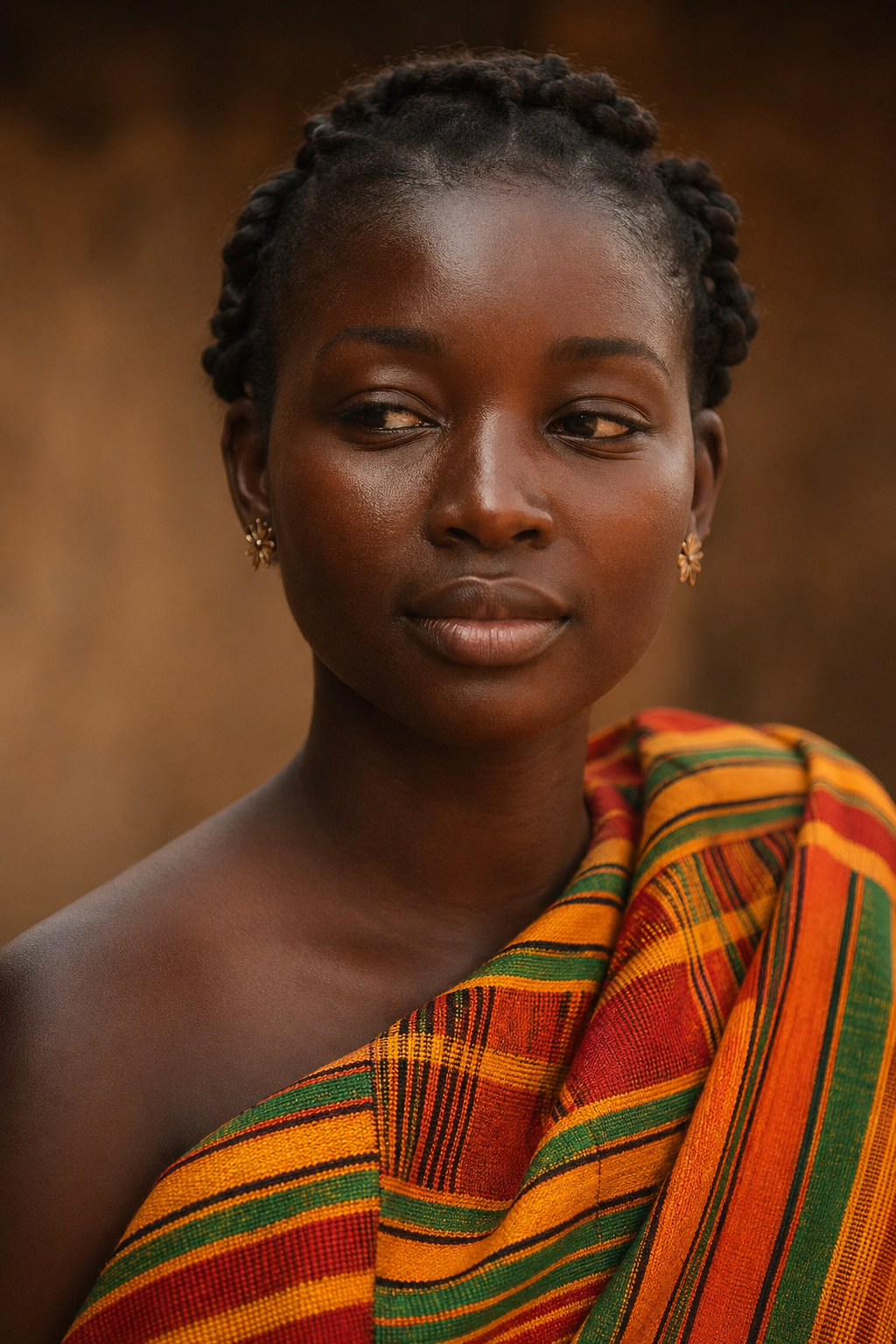
The Kissi Country Cloth was a handwoven fabric produced on vertical looms from locally grown cotton, dyed with natural pigments derived from plants, bark, and minerals. Each pattern carried meaning — different designs for ceremonies, celebrations, and daily wear.
The colors were drawn from nature: indigo from leaves, ochre from clay, deep browns from bark. This was not mere clothing — it was art, identity, and heritage woven into every thread.
Ironworking and Metallurgy
Iron smelting in the region of West Africa dates back to approximately 600 B.C. — making it one of the earliest centers of iron technology in the world.
Kissi blacksmiths (Sumda) were legendary. Historical records confirm that they produced not only currency but agricultural implements, weapons, jewelry, and ritual objects of extraordinary quality. The Sumda occupied a special position in Kissi society — they were both feared and honored, their craft considered both a practical skill and a sacred art.
The Royal Tribunal
In a landmark achievement for the Sovereign Kingdom of Kissi, the Royal Tribunal was officially registered with the United Nations on August 20, 2025. Under the authority of Crown Princess Irish’Karolina, Regent of the Royal House of Kissi, Lead Diplomatic Officer, this registration establishes the Kingdom's judicial body within the framework of international law.
The Royal Tribunal represents the culmination of centuries of Kissi judicial tradition — from the councils of elders who resolved disputes in the villages of the Makona River Basin to a modern judicial body recognized on the world stage. It stands as a testament to the Kingdom's enduring sovereignty and its commitment to the rule of law.